
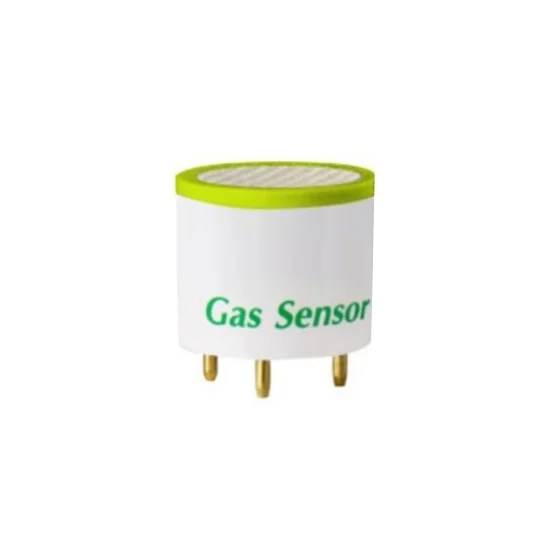
Description
This high-performance methanethiol gas sensor delivers accurate and reliable detection for CH3SH in the 0–10 ppm or 0–100 ppm range. Designed with advanced electrochemical technology, it ensures excellent sensitivity, fast response, and strong anti-interference capabilities, making it suitable for a variety of industrial and environmental monitoring applications.
Specification
| Model | ATO-S4-CH3SH |
| Target Gas | Methanethiol (CH3SH) |
| Detection Principle | Three-Electrode Electrochemical |
| Detection Range | 0–10 ppm / 0–100 ppm |
| Sensitivity | 700 ± 150 nA/ppm |
| Maximum Load Concentration | 20 ppm |
| Response Time | ≤ 40 s |
| Resolution | 0.1 ppm |
| Operating Temperature | -30 ℃ to 50 ℃ |
| Operating Humidity | 15% to 90% RH (non-condensing) |
| Repeatability | < ±2% |
| Long-term Stability | < 2% signal loss per month |
| Lifespan | 2 years |
Feature
- The methanethiol sensor gas detector provides high-precision detection of Methanethiol (CH3SH) gas.
- This CH3SH gas sensor detector exhibits strong anti-interference capability for reliable performance.
- The methanethiol sensor offers a fast response time for timely gas concentration alerts.
- This gas leak sensor boasts a long operational lifespan ensuring durability.
- The compact size and low power consumption of this gas sensor facilitate easy integration.
Cross-interference Gas Table
The methanethiol gas sensor may also respond to gases other than the target gas. The following table lists the typical response characteristics to several common interfering gases for reference.
| Interfering Gas | Test Concentration (ppm) | Reading Value (ppm CH3SH) |
| CO | 50 | 0.0 |
| SO2 | 5 | 0.8 |
| NO2 | 10 | -3.5 |
| H2 | 1000 | 0.2 |
| H2S | 25 | 42.0 |
| NH3 | 50 | -0.1 |
Details and Dimensions (Unit: mm)
Characterization
Application
5 Tips for Methanethiol (CH3SH) Gas Sensor
- Avoid exposing the methanethiol sensor to organic solvents, alcohols, oils, high-concentration gases, and corrosive environments, as these can damage the sensing element.
- For accurate calibration of this CH3SH gas sensor, always use standard target gas balanced in clean air. Avoid using interfering gases for calibration due to potential inaccuracies.
- Do not test the gas sensor with non-standard methods, such as exposing it directly to concentrated vapors (e.g., from ammonia water, alcohol, or human breath), as extremely high concentrations can permanently damage it.
- Ensure stable and gentle airflow during calibration or testing of the gas sensor to simulate gas diffusion conditions; unstable or forceful airflow can lead to poor accuracy and repeatability.
- The gas detector sensor pins must be connected via a PCB socket; soldering directly onto the pins or bending them can cause damage.
Reviews
There are no reviews yet.